Introduction
The influence of the Pharmaceutical Industry on the healthcare system is enormous, as pharmaceutical companies often earn more money from chronic diseases than from healthy people. This is reflected in the fact that many diseases are currently treated symptomatically rather than being cured permanently. In fact, non-communicable diseases (cardiovascular, diabetes, cancer, etc.) are responsible for around 75% of deaths worldwide – and thus offer the pharmaceutical industry a large and profitable market. In politics and medicine, there is a tension between health promotion and the pursuit of profit. In the following, we will examine how this influence manifests itself in concrete terms and which natural health approaches can help counteract the pure profit motive.
Influence of the Pharmaceutical Industry on the Healthcare System
The pharmaceutical industry is considered one of the most powerful sectors in healthcare. Government representatives refer to it as the “tree of life of the economy,” as one in eight euros of German gross value added comes from it. Accordingly, it is explained that the industry will not be burdened further, as the “lemon has already been squeezed dry.” This high level of political support is also reflected in the lobbying and marketing activities of pharmaceutical companies. A recent analysis has shown that pharmaceutical manufacturers use intensive advertising and direct patient outreach to expand indications and increase drug consumption. Critics warn that this leads to the over-medicalization of everyday life: normal life processes are pathologized and declared symptoms requiring treatment, while alternative preventive approaches are pushed into the background.
- Political support: Representatives of the pharmaceutical industry maintain close contacts with decision-makers. The federal government praises the industry as indispensable and allows it to be gently regulated.
- Marketing and continuing medical education: Pharmaceutical companies finance continuing education and campaigns that inform doctors. Studies show that such activities contribute to the expansion of indications. Many doctors use the information provided, but it is often one-sided and promotional in nature.
- Misguided incentives in the system: In an NHS study (2021), up to 10% of all prescribed drugs were classified as potentially inappropriate. The healthcare system offers financial incentives for medicalization (more tests, more billing), which can contribute to overprescribing.
- Cost explosion: Spending on drugs and care is rising rapidly – in Germany, for example, from 10.4% of GDP in 2000 to 11.9% in 2019. These increases are overwhelming health insurance funds, while the actual health gains are often not proportional.
This Influence of the Pharmaceutical Industry ensures that more and more money is flowing without automatically resulting in better health. In view of rising costs and the increasing chronicity of many ailments, there is therefore growing interest in prevention and natural healing methods that are not primarily profit-oriented.
Health vs. profit: natural health as an alternative
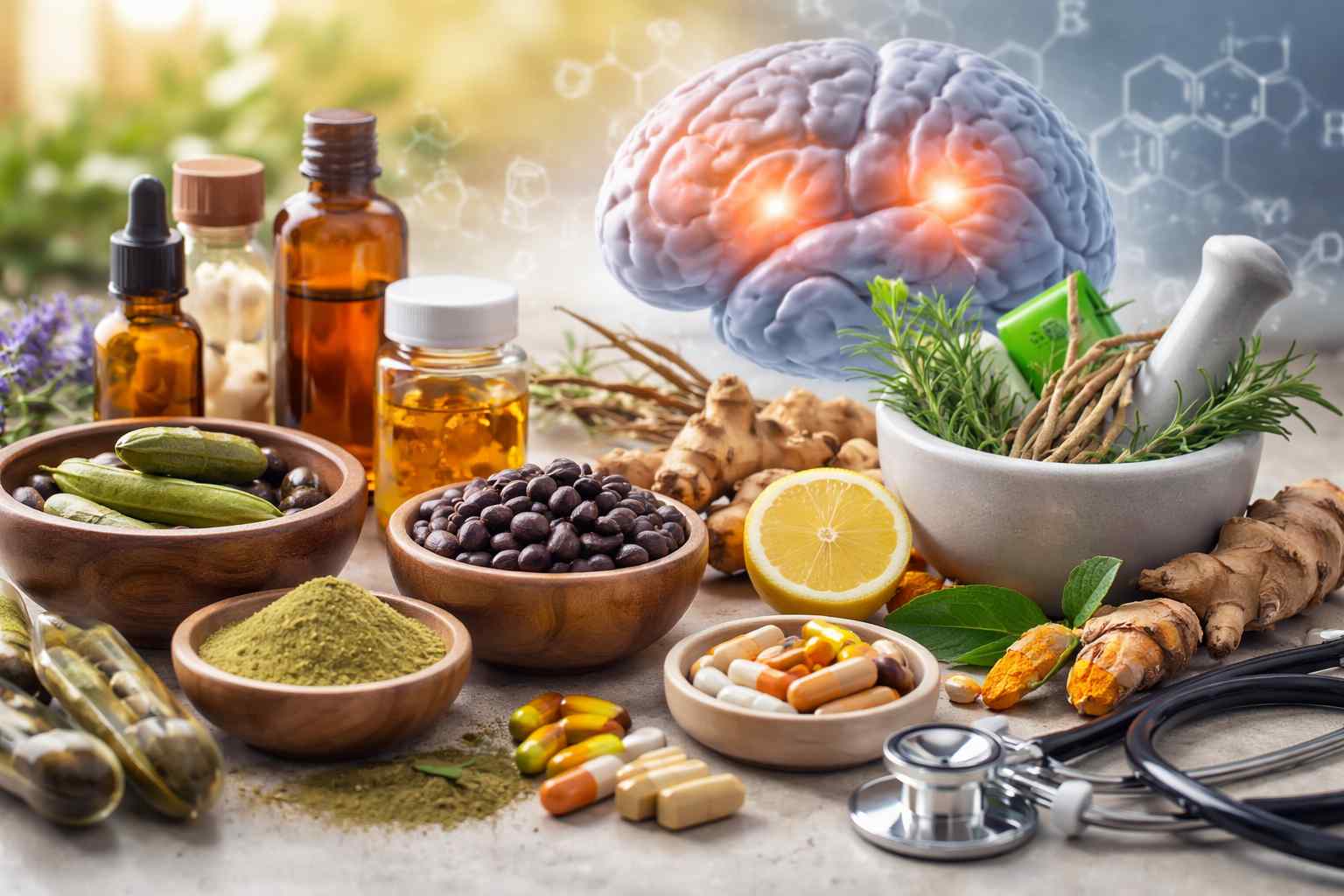
Natural healing methods start exactly where traditional pill-based approaches often fail – by promoting health through lifestyle, nutrition, and holistic therapies. The World Health Organization (WHO) emphasizes that traditional and complementary medicine focuses on nature-based remedies and holistic approaches. Its new strategy for 2025–2034 aims to integrate these evidence-based practices into health care systems and make them accessible to all. Naturopathy also enjoys widespread support among the general public: in Germany, more than two-thirds of people would like to see naturopathic and integrative practices become an integral part of health care.
Studies show that prevention is often the most effective medicine. According to the WHO report, investments in healthier nutrition, more exercise, and basic care could save millions of lives every year. Instead of endless long-term therapies, experts recommend combating chronic diseases at an early stage through lifestyle changes. Naturopathic methods focus on such prevention and the activation of self-healing powers. They view the human being as a whole and promote personal responsibility, which has been proven to increase the chances of recovery.
Influence of the Pharmaceutical Industry: Profits from chronic diseases
Critics complain that the pharmaceutical industry earns a lot of money, especially from the management of chronic diseases. When diseases are permanent, companies sell drugs for life, pumping steady income into their coffers. In the last ten years alone, around 1,400 new drugs for non-communicable diseases have been approved. According to industry association data, another nearly 9,600 active ingredients are still in various stages of development. This flood of drugs often only improves symptoms or prolongs life rather than providing a cure. At the same time, there are complaints that genuine research into the causes of diseases (e.g., for causal therapies or uncomplicated natural remedies) is neglected because such approaches are less profitable.
- Growing drug pipeline: R&D is focused on expensive therapies. New drugs for rheumatism, diabetes, or heart disease secure revenues for the pharmaceutical giants for many years to come.
- Gaps in care: Despite advances, many patients still do not have access to vital therapies. High patents and prices make it difficult for people in poorer countries to benefit from expensive innovations.
- Neglected natural alternatives: While investment in expensive biotech drugs is increasing, prevention and natural remedies are underfunded. The focus is often on combating symptoms rather than promoting healthy lifestyles.
Against this backdrop, the question arises: Wouldn’t it be better to promote health with natural measures instead of constantly relying on new drugs?
Natural healing methods and prevention
As a counterbalance to the purely profit-oriented approach, a combination of complementary medicine and a healthy lifestyle is recommended. Many natural healing methods are safe and can be used alongside conventional medicine. Examples:
- Mind-body therapies: Techniques such as yoga, meditation, qigong, and music therapy promote relaxation and immune strength. An overview of cancer research (DKFZ) emphasizes that such methods are practically risk-free and definitely support patients. They alleviate anxiety, strengthen the immune system, and improve quality of life without harmful side effects.
- Nutritional medicine: Targeted use of dietary supplements (vitamins, minerals) can compensate for deficiencies. For example, according to the DGE recommendation, a good vitamin D level promotes bone health and also strengthens the immune system. A balanced, plant-rich diet reduces inflammation and can prevent many diseases.
- Phytotherapy: Medicinal plants often have a real effect. Extracts from willow bark (salicin) have a pain-relieving effect, while St. John’s wort is used to treat mild depression. According to Cochrane reviews and guidelines, there are several herbal remedies whose effectiveness for certain conditions has been proven.
- Exercise and lifestyle: Regular physical activity has been shown to reduce the risk of cardiovascular disease and metabolic disorders (Lancet Public Health 2021). Gentle methods such as walks in the forest (“forest bathing”) or hydrotherapy with warm water (Cochrane 2020) also alleviate chronic pain and promote well-being.
- Stress reduction: Mindfulness-based practices and social support (e.g., self-help groups) improve long-term health. By reducing stress hormones and strengthening mental resources, this alone can have a positive impact on the course of disease.
These naturopathic concepts aim to combat the cause of disease rather than just the symptoms. The evidence for this is growing: a large number of studies show that lifestyle programs can improve blood pressure and blood lipids (JAMA 2019). Many guidelines now mention exercise, healthy eating, and herbal therapies as complementary options.
Nutrition, exercise, and herbal medicine – evidence-based approaches
Modern science confirms that naturopathic treatments bring measurable benefits. A recent overview by the Karl and Veronica Carstens Foundation lists several examples:
- Exercise: Reduces the risk of cardiovascular disease and stroke (Lancet Public Health study 2021).
- Everyday programs: Regular light exercise improves blood pressure, blood lipid levels, and body weight, even in people who have been inactive until now (JAMA 2019).
- Water therapy: Warm or cold water treatments (hydrotherapy) reduce pain and fatigue in chronic conditions and increase overall well-being (Cochrane Review 2020).
- Nutrition: An anti-inflammatory diet rich in fruits, vegetables, and whole grains has been shown to influence inflammatory mediators, pain perception, and disease risks (BMJ 2022).
- Herbal medicine: Certain herbal extracts are effective and recognized in guidelines. For example, salicylate-containing willow bark is recommended for pain and St. John’s wort for mild depression—effects that have been confirmed by Cochrane studies.
These examples show that natural medicine is not a belief in miracles, but can go hand in hand with scientific research. Health programs that combine nutrition, exercise, and natural remedies can have a preventive effect and reduce dependence on expensive medications.
Influence of the Pharmaceutical Industry on Research and Innovation
The influence of the Pharmaceutical Industry is also reflected in research and development. Large-scale studies and study plans often focus on profitable drugs. There are currently thousands of new drugs in the pipeline for various chronic conditions. At the same time, experts complain that far too little research is being done on simple, non-patentable healing methods. Instead, technologies such as gene therapies, vaccines, and biologics dominate, which prolong life but are highly complex and expensive.
- Innovation with a profit motive: Many new developments address acute symptoms or rare diseases. General prevention strategies or natural active ingredients, on the other hand, are less researched because there is no business model for them.
- Cost explosion: Medical innovations are expensive. In Germany, for example, drug costs rose significantly faster than the economy: health care spending accounted for 11.9% of GDP in 2019 (2000: 10.4%) and exceeded almost 13% in 2022. This makes sustainable cost control increasingly difficult.
- Limited transparency: The pharmaceutical industry does not publish all study results (negative findings in particular often remain hidden), which makes it difficult to evaluate drugs. Some doctors complain that important data is not being disclosed in full.
Overall, it is clear that research, market approval, and pricing are strongly influenced by the primacy of profit maximization. Many advocates of naturopathic medicine are therefore calling for greater promotion of integrative medicine—for example, the MINERVA study, which is currently being developed and systematically investigates how naturopathic treatments work against chronic diseases.
Personal responsibility and outlook
In summary, it should be noted that the current influence of the Pharmaceutical Industry represents a healthcare system with great potential for undesirable developments. This contrasts with personal responsibility and natural prevention as a counter-concept: every individual can contribute significantly to their own health through diet, exercise, and stress management. The WHO and many experts therefore emphasize the right to health and autonomy.
It is important that politics and society set more limits on the corridors in which pharmaceutical companies can operate (e.g., more transparency, advertising restrictions, stronger patient representation). At the same time, science and funding should promote comprehensive studies for integrative methods. After all, natural health approaches can save lives and reduce costs in the long term, while the pursuit of pure profit often hinders this. Through education, promotion of complementary medicine, and a rethinking of the healthcare system, the influence of the Pharmaceutical Industry could be reduced in the long term—for the benefit of everyone’s health.
Conclusion: Health is more than just diagnosing illness and administering medication. A stronger focus on natural healing methods and healthy lifestyles can help counteract profit-seeking and improve people’s quality of life.
Sources
- Book source
https://www.kopp-verlag.de/a/wenn-das-die-patienten-wuessten-1
Basis for the article. Critical analysis of modern medicine, dependence on pharmaceutical companies, symptom-oriented therapy, and alternatives through naturopathy, nutrition, and personal responsibility. - World Health Organization (WHO)
https://www.who.int/news-room/fact-sheets/detail/noncommunicable-diseases
Official WHO fact sheet on noncommunicable diseases. Proves that around 74–75% of all deaths worldwide are attributable to chronic diseases. - https://www.who.int/publications/m/item/the-impact-of-suspensions-and-reductions-in-health-official-development-assistance-on-health-systems
WHO Global Traditional Medicine Strategy 2025–2034. Describes the role of traditional and complementary medicine, evidence-based integration, and regulatory goals. - Pharmaceutical industry, lobbying, and medicalization
https://www.pharmazeutische-zeitung.de/aktuelle-zahlen-zur-polymedikation-135224/
Analysis of overmedication, diagnosis expansion, and problematic prescribing practices in Europe. - https://www.aerzteblatt.de/news/bundesregierung-macht-pharmaindustrie-grosse-versprechungen-b87894f8-9908-49db-8917-ed4763c47ca4
Report on the influence of the Pharmaceutical Industry on politics, regulation, and the healthcare system in Germany. - Healthcare costs and criticism of the system
https://www.destatis.de/DE/Themen/Gesellschaft-Umwelt/Gesundheit/Gesundheitsausgaben/_inhalt.html
Official figures from the Federal Statistical Office on rising healthcare expenditure in Germany and its development in relation to GDP. - Naturopathy and evidence-based alternatives
https://www.carstens-stiftung.de/integrative-medizin-forschung-trends-und-einfluss.html
Overview by the Karl and Veronica Carstens Foundation on research into naturopathy, complementary medicine, and integrative therapy concepts. - https://www.krebsinformationsdienst.de/komplementaere-und-alternative-krebsmedizin
German Cancer Research Center on complementary methods such as meditation, yoga, exercise therapy, and music therapy. Clear distinction between useful and dubious methods. - Hydrotherapy and natural treatments
https://www.cochranelibrary.com/es/cdsr/doi/10.1002/14651858.CD000518.pub2/full/de
Cochrane review on hydrotherapy for chronic pain and musculoskeletal disorders. - Nutrition and dietary supplements
https://www.dge.de/wissenschaft/referenzwerte/vitamin-d/
German Nutrition Society on vitamin D, deficiency states, supply situation, and health significance. - https://www.bmj.com/content/379/bmj.o2651
BMJ review on anti-inflammatory nutrition, plant-based diets, and prevention of chronic diseases.
Published on: 25. December 2025

Related posts

Naturopathy, Treating diseases naturally
Naturopathy, Treating diseases naturally

Naturopathy, Treating diseases naturally