Introduction
Healing through lifestyle medicine focuses on our own lifestyle as therapy: through a balanced diet, regular exercise, sufficient sleep, and conscious stress reduction, everyone can actively improve their well-being. This approach follows the principle that we can influence our own health with simple, healthy habits. Modern lifestyle medicine is based on scientifically proven links between lifestyle and health. It emphasizes tackling diseases at their root instead of just treating symptoms. As popular science sources such as Wenn das die Patienten wüssten (If only patients knew) show, it is about combating the true causes of ailments—and this often includes the way we live.
Basics of healing through lifestyle medicine
Healing through lifestyle medicine means tackling chronic diseases with targeted behavioral changes. According to the German Society for Lifestyle Medicine, it is “evidence-based prevention and treatment of chronic diseases through nutrition, exercise, sleep, stress management, addiction management, and social connectedness.” This approach emphasizes a greater focus on tackling the causes rather than the symptoms. Patients are guided to change their habits themselves in order to promote their health.
We know from research that our lifestyle affects the entire body. Nutrition, exercise, stress, and social factors have a direct impact on metabolism, hormones, and inflammatory processes. Mind-body medicine emphasizes that methods involving exercise, relaxation, stress regulation, and nutrition work together to stimulate self-healing. This results in a holistic understanding of healing: the human being is seen as a whole and not as isolated organs.
- Six pillars of lifestyle medicine: The central elements include
- Balanced diet: Whole foods such as vegetables, fruit, legumes, and whole grains are rich in nutrients and have anti-inflammatory properties.
- Regular exercise: Endurance and strength training activate the circulation and strengthen the heart, muscles, and joints.
- Restful sleep: A peaceful night’s sleep allows the body and mind to regenerate.
- Stress management: Relaxation techniques such as meditation, yoga, or conscious breathing reduce stress levels in the long term.
- Social connectedness: Support from friends, family, and community promotes mental health.
- Avoiding harmful substances: Smoking, excessive alcohol, and other toxins put strain on the body and hinder healing.
These pillars form a springboard for natural healing: each area can be strengthened through simple habits and works synergistically with the others. An overview article summarizes: with the help of nutrition, exercise, mental techniques, and relaxation, health-promoting pathways in the body can be specifically activated.
Nutrition and healing through lifestyle medicine
Nutrition is particularly important in the context of healing through lifestyle medicine. A plant-based, whole-food diet provides the body with the necessary building blocks for healing. A recent study with over 400,000 participants showed that the more emphasis was placed on plant-based foods, the lower the risk of chronic diseases such as diabetes, cardiovascular disease, or cancer. This correlation was impressive—people who ate a predominantly plant-based diet had a statistically significant reduction in the risk of multiple diseases.
In addition to the composition of meals, portion size and timing also play a role. Smaller, regular meals help to keep blood sugar stable. Drinking plenty of water throughout the day aids digestion. Dietary supplements can be used in a targeted manner if there are deficiencies—for example, vitamin D to strengthen the immune system or magnesium to relax the muscles. Nevertheless, supplements are no substitute for the basic pillars of a healthy diet. Natural foods often provide a complex mix of nutrients that are difficult to replace individually.
Important habits for a healthy diet:
- Colorful variety: A plate of vegetables, fruit, and salad of all colors provides many antioxidants that prevent cell damage.
- Unprocessed foods: Fresh instead of highly processed foods reduce hidden sugars and unhealthy fats.
- Regular meals: Fixed meal times stabilize the rhythm of metabolism and hormones.
- Drink enough: 1.5–2 liters of water (or unsweetened tea) a day keep the body functioning properly.
Those who nourish their bodies with such nutritional gold mines will soon feel the first improvements—from more energy to better digestion. In combination with other lifestyle measures, many ailments can be alleviated in the long term.
Exercise and healing through lifestyle medicine
Physical activity is another cornerstone. Even moderate exercise such as brisk walking, swimming, or cycling lowers blood pressure, improves circulation, and strengthens the heart. Exercise acts as a remedy: it improves insulin sensitivity, promotes muscle growth, and releases mood-lifting endorphins. As a result, exercise programs can even serve as therapy for chronic pain, diabetes, or depression.
It is important to be active regularly and enjoyably. Experts recommend a mixture of endurance training (e.g., running, cycling), strength training (weights, body weight), and exercises for flexibility (yoga, stretching). Everyday exercise also helps: taking the stairs instead of the elevator or walking to work. Studies show that people who exercise regularly often achieve significant health benefits. Exercise triggers the body’s own self-healing processes by positively influencing the metabolism, hormone system, and immune system.
Tips for more exercise:
- Active breaks in everyday life: Get up briefly every hour, walk a few steps, or stretch.
- Exercise plan: Schedule 30–60 minutes of targeted activity (running, fitness, dancing) two to three times a week.
- Mix of exercises: Train endurance, strength, and flexibility one after the other – this keeps all your body’s systems fit.
- Find a community: Sports groups, fitness classes, or games with friends increase motivation and promote social cohesion.
Regular exercise not only leads to better blood values, but also strengthens the psyche. An active body releases happiness hormones and reduces stress. This makes exercise an integral part of any holistic healing process.
Stress reduction and healing through lifestyle medicine
Chronic stress is considered one of the main triggers for many diseases. The good news is that you can actively counteract it. That’s why lifestyle medicine focuses heavily on relaxation and mindfulness. Stress reduction is a core element of healing through lifestyle medicine. In established mind-body medicine, relaxation methods (meditation, autogenic training) are combined with gentle movement and breathing exercises. These techniques activate the body’s own “rest program,” which lowers blood pressure and heart rate and initiates healing processes.
Such exercises are easy to learn and integrate into everyday life. Studies show that regular meditation or yoga reduces anxiety, strengthens the immune system, and improves sleep quality. Managing stress also means setting priorities and avoiding overload. Simple rituals often help: a few minutes of conscious breathing, mindfulness while eating, or walks in nature can already make a big difference.
Practical relaxation tips:
- Short breaks: Allow yourself a minute of silence several times a day – close your eyes, breathe in and out deeply.
- Digital detox: Turn off screens (smartphone, computer, TV) one hour before bedtime – this makes it easier to fall asleep.
- Evening ritual: A warm foot bath, a book, or soft music create calm before sleep.
- Nature and light: Walks in green spaces and plenty of daylight signal balance to the body.
Reducing stress reduces harmful stress hormones such as cortisol. This promotes regeneration in almost all body systems. Lifestyle medicine studies show that people who actively manage stress often recover faster and require less medication.
Natural remedies and complementary therapies in lifestyle medicine
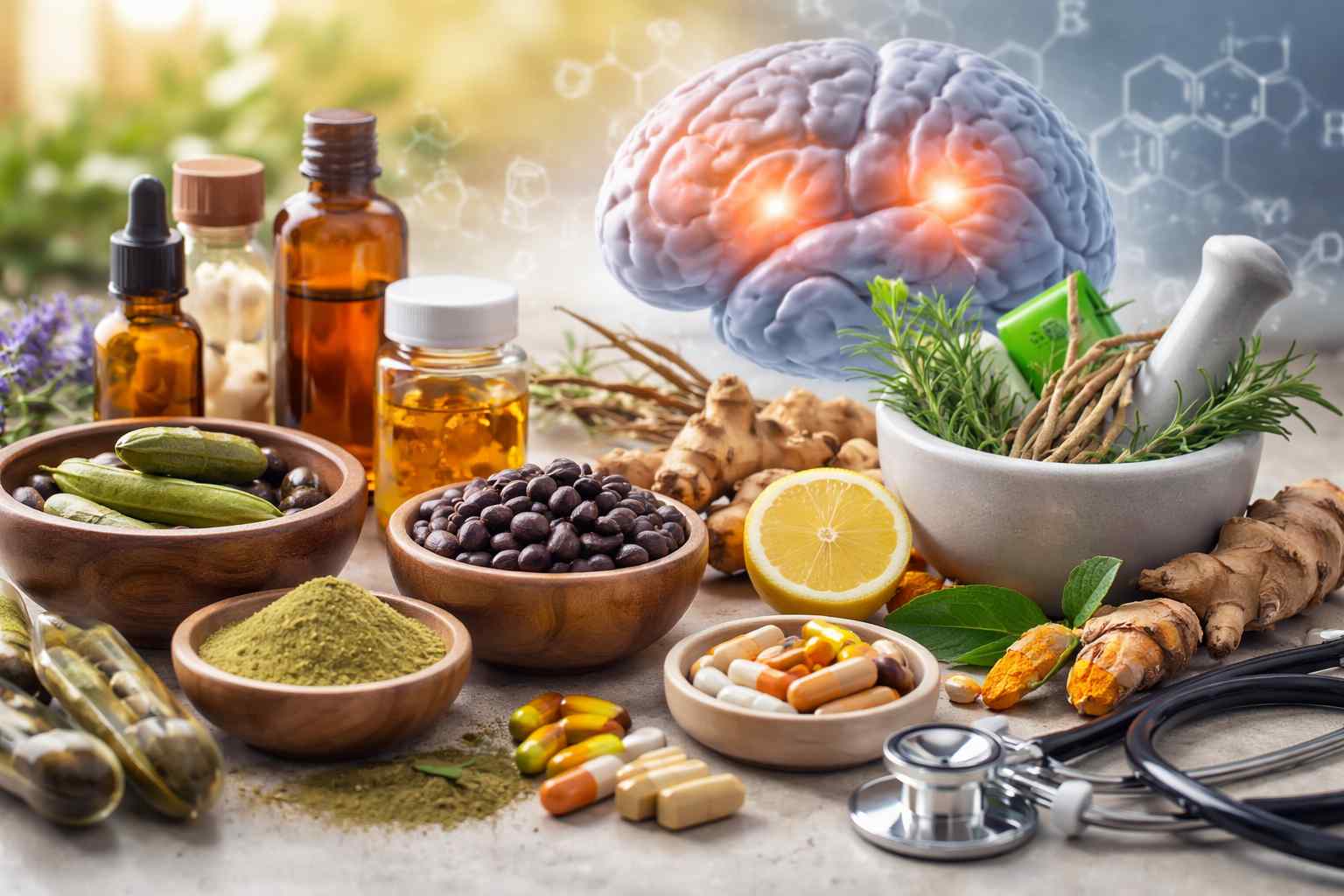
Natural methods also include gentle nutritional supplements and complementary therapies that support the body and mind:
- Phytotherapy (herbal medicine): Medicinal plants such as arnica, devil’s claw, and stinging nettle have natural anti-inflammatory and pain-relieving effects. Teas made from ginger or turmeric, for example, aid digestion, while extracts such as ginkgo supply the brain with nutrients.
- Orthomolecular supplementation: High doses of vitamins, minerals, or fatty acids (e.g., vitamin D, omega-3) can specifically compensate for deficiencies. An optimal vitamin D level stabilizes the immune system, magnesium relaxes nerves and muscles, and zinc strengthens the metabolism.
- Aromatherapy and healing baths: The scents of essential oils (lavender, peppermint, eucalyptus) have calming or invigorating effects. Essential oil baths and wraps with medicinal plants promote relaxation and relieve pain in a natural way.
- Traditional methods: Modern lifestyle medicine also incorporates insights from Ayurveda and traditional Chinese medicine. Yoga, acupuncture, cupping, and mud packs are examples of methods that gently stimulate the body to remind it of its self-healing abilities.
- Holistic approach: Many programs combine conventional medicine with naturopathy to treat people comprehensively. The motto is: use what is useful from all areas, as long as it suits individual needs.
It is always important to choose reputable sources and seek advice. Natural healing methods complement lifestyle medicine, but should be understood as part of an overall plan. When optimally coordinated, these methods support regeneration—for example, anti-inflammatory natural substances such as omega-3 or turmeric have a direct effect on reducing inflammation, while probiotics promote intestinal health and thus strengthen the immune system.
Get healthy with simple habits
Healing through lifestyle medicine happens step by step. Small everyday tips often have amazing effects:
- Morning ritual: A glass of water immediately after getting up activates the metabolism. Five minutes of light stretching or a short walk get the circulation going.
- Active breaks: Getting up and moving around every hour while sitting relieves tension and helps you stay focused.
- Water instead of soft drinks: Drinking water or herbal tea regularly keeps the body fit and replenishes its reserves.
- Conscious eating: Eating without distractions (put your cell phone away, turn off the TV) promotes digestion and helps you feel full.
- Screen-free evenings: Avoid using your smartphone and computer for an hour before bedtime – this will make it easier to fall asleep.
- Social contacts: Calling friends or going for a walk together is like a mini therapy session: laughing and talking relieve stress.
With each of these steps, we strengthen our own responsibility for our health. Every act of self-care—whether it’s a walk, a healthy recipe, or simply a conscious breath—brings the body closer to its natural state of balance. Medication and therapy support the process, but the real healing power lies in everyday life.
Summary: Healing through lifestyle medicine often begins quite naturally. A healthy diet, exercise, sufficient sleep, and stress-free moments awaken our self-healing powers. This combination of lifestyle habits and natural therapies has a lasting effect and can alleviate or prevent chronic conditions. With every healthy habit, the path to recovery becomes clearer—because the best medicine is actually yourself.
Sources and studies
- If only patients knew: True causes, effective therapies
Amadeus Verlag, 2021
https://amadeus-verlag.de/autoren/jan-van-helsing/959-wenn-das-die-patienten-wuessten-vera-wagner - Lifestyle Medicine: A Brief Review of Its Dramatic Impact on Health and Survival
The Permanente Journal, 2018
https://www.ncbi.nlm.nih.gov/pmc/articles/PMC5638636/ - Exercise as a Therapeutic Intervention for Chronic Disease Management: A Comprehensive Review
Cureus, 2024
https://www.ncbi.nlm.nih.gov/pmc/articles/PMC11662992/ - Mindful Eating Is Associated With a Healthier Plant-Based Diet
Scientific Reports, Nature Portfolio, 2025
https://www.nature.com/articles/s41598-025-02195-5 - Utilization of Plant-Based Foods for Effective Prevention of Chronic Diseases
npj Science of Food, Nature Portfolio, 2024
https://www.nature.com/articles/s41538-024-00362-y - Plant-Based Diets and Their Role in Preventive Medicine: A Systematic Review
Cureus, 2025
https://www.ncbi.nlm.nih.gov/pmc/articles/PMC11890674/ - Meditation and Its Mental and Physical Health Benefits
Cureus, 2023
https://www.ncbi.nlm.nih.gov/pmc/articles/PMC10355843/ - WHO Guidelines on Physical Activity and Sedentary Behavior
World Health Organization, 2021
https://www.who.int/publications/i/item/9789240014886 - Relaxation Techniques in Stress Reduction and Health Promotion
StatPearls Publishing, 2023
https://www.ncbi.nlm.nih.gov/books/NBK513238/ - Vitamin D and Prevention of Chronic Disease: Evidence From Controlled and Cohort Studies
European Journal of Nutrition, 2025
https://www.ncbi.nlm.nih.gov/pmc/articles/PMC12126319/
Published on: 26. December 2025

Related posts

Naturopathy, Treating diseases naturally
Naturopathy, Treating diseases naturally

Naturopathy, Treating diseases naturally